
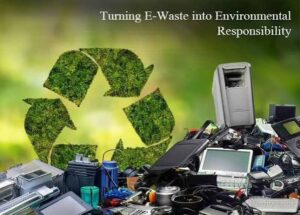
The production of electronic garbage, or “e-waste,” has increased dramatically worldwide in the quickly developing tech-driven world. The quantity of wasted electronics is rising at a startling rate due to the continuous release of faster and more advanced devices, shorter product life cycles, and more digital storage possibilities. One of the waste streams that is now expanding the quickest in the world is e-waste, which calls for concentrated measures to stop its growth.
This blog will explain what e-waste is, why it’s an urgent issue, and how GreenPrithvi Recyclers recycles it to help create a more environmentally friendly future.
Recognising E-Waste: What Does It Contain?
Even at the end of its life cycle, any discarded electrical or electronic item that includes hazardous materials is referred to as “e-waste.” Despite its pervasiveness, many are still ignorant of what e-waste is and how to properly dispose of it.
Among the most prevalent kinds of e-waste are:
1. Lightbulbs
2. TVs and batteries
3. Monitors, laptops, and computers
4. Copiers, printers, scanners, servers, and fax machines
5. Cell phones and microwaves
6. Cables and Keyboards
The Significance of E-Waste Recycling
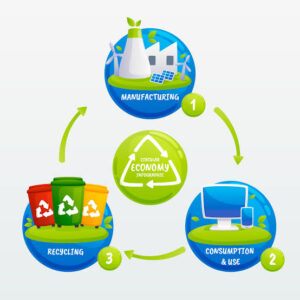
Recycling e-waste involves more than just getting rid of outdated gadgets; it also involves protecting the environment and reclaiming important materials. E-waste recycling is essential for the following two main reasons:
1. Resource Recovery and the Circular Economy: Aluminium, gold, copper, and silver are among the valuable materials found in outdated electronics. Recycling these components promotes a circular economy, in which goods are reused or repurposed rather than thrown away, and lessens the need for virgin resources.
2. Environmental and Health Preservation: E-waste frequently contains hazardous substances like lead, cadmium, and mercury that, if disposed of incorrectly, can contaminate soil and water. In addition to endangering ecosystems, this contamination puts human health at serious risk. Responsible e-waste recycling reduces these risks and safeguards the environment and public health.
The Dangers of Inappropriate E-Waste Management
There are serious concerns associated with improper e-waste disposal, whether it be in landfills or by incineration:
1. Toxic Contamination: When hazardous chemicals from e-waste seep into water bodies, they can damage ecosystems, cause neurological problems, and infiltrate the food chain.
2. Loss of Rare Resources: E-waste can be used to recover precious metals like copper, silver, and gold. The chance to recycle these materials is lost when they are dumped in landfills, which increases mining and depletes resources.
Advantages of Ethical E-Waste Recycling
Adopting proper e-waste recycling techniques has several advantages:
1. Recycling lessens the need for raw materials, protecting natural resources.
2. Reducing environmental contamination: Keeping soil and water clean is aided by keeping hazardous materials out of landfills.
3. Promoting a circular economy: New products can be made from recycled materials, which lowers production costs.
4. Creating jobs: There are jobs available in the recycling sector.
5. Reducing greenhouse gas emissions: Recycling responsibly reduces toxic emissions from inappropriate disposal techniques.
6. Encouraging consumers to reconsider upgrading gadgets can help reduce waste and promote sustainable consumption.
GreenPrithvi Recyclers: Setting the Standard for Recycling E-Waste
GreenPrithvi Recyclers uses a thorough e-waste recycling procedure that maximises resource recovery and minimises environmental effect.
Gathering
We provide a variety of solutions for the convenient and safe collection of e-waste, such as mail-in services utilising our specialised e-waste recycling kits and drop-off locations. These choices guarantee the safe and damage-free transportation of e-waste to our recycling facilities.
Secure Storage
E-waste is securely held after it is received to stop dangerous substances like mercury from leaking and endangering personnel. For instance, because of the mercury they contain, televisions with cathode ray tubes (CRTs) need to be handled carefully.
Organising and Disassembling
Batteries and light bulbs are among the various categories into which e-waste is physically sorted. The garbage is deconstructed to separate its constituent parts after sorting. The recycling process is then made more effective by shredding the materials into smaller bits.
Distancing
Different materials are recovered using sophisticated separation processes like water-based approaches and magnetic separation. Magnets are used to recover ferrous metals like iron, and water-based methods are used to separate glass and plastics.
How Sustainability Is Ensured by GreenPrithvi Recyclers?
GreenPrithvi Recyclers has established itself as a pioneer in environmentally friendly e-waste recycling. With recycling facilities located in large cities, we provide businesses and people with tailored solutions that enable them properly dispose of their electronic trash while promoting environmental preservation. Closing the loop and safeguarding the environment are two more aspects of our dedication to sustainable practices than recycling.
Conclusion
Urgent action is needed to address the growing problem of e-waste. We must all contribute to lessening the detrimental effects of electronic trash as it continues to grow as a result of growing consumerism and shorter product life spans. We can recover important resources, save the environment, and contribute toward a more sustainable future by recycling e-waste responsibly.
Partner with GreenPrithvi Recyclers today to dispose of your e-waste the right way—and contribute to a healthier planet.