

Have you ever considered what happens to our devices when they outlast their usefulness in a time when technology is always changing? Have you ever wondered what happens to all the outdated gadgets we throw away? Imagine that the gadget you are now using—your tablet, smartphone, or computer—is nearing the end of its useful life. What happens to it? Every electrical device in your house or place of business, from your entertainment systems to your kitchen appliances, will eventually turn into e-waste. These electronic waste products don’t simply disappear; instead, they build up and add to the world’s fastest-growing trash stream. Managing this expanding mountain of abandoned gadgets in a way that safeguards and maintains our ecosystem is our problem.
As previously mentioned, one of the waste streams with the greatest rate of growth worldwide is e-waste, or electronic garbage. In 2019 alone, the world produced an astounding 53.6 million metric tonnes of e-waste. And by 2030, this figure is predicted to soar to 74.7 million metric tonnes! Effective e-waste management is now the only viable choice for a sustainable future due to these concerning figures.
What steps are we doing to address this expanding issue, and how can each of us individually make a difference? Let’s examine the critical function that e-waste management plays in preserving the environment.
The Growing Issue of E-Waste
Discarded electrical or electronic equipment, such as laptops, smartphones, refrigerators, and televisions, is referred to as “e-waste.” The amount of e-waste increases along with consumer demand for the newest technologies. Unfortunately, because these gadgets include dangerous materials like lead, mercury, and cadmium, incorrect disposal of e-waste can have serious negative effects on the environment and human health.
Why Is E-Waste Management Important?
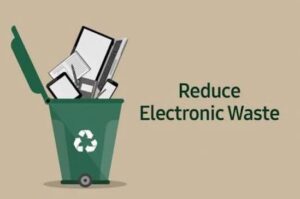
Environmental Protection: Toxic elements found in e-waste have the potential to seep into the land and water if improperly treated, seriously harming the ecosystem. By ensuring that these dangerous materials are safely removed and disposed of, proper e-waste management lowers pollution and preserves natural resources.
Resource Recovery: Precious metals like gold, silver, and palladium can be found in abundance in e-waste. These materials can be recovered through efficient recycling techniques, which lessens the demand for mining and the negative environmental effects of resource extraction.
Economic Benefits: From collection and sorting to processing and refining, the e-waste recycling sector has the potential to generate a large number of work opportunities. This promotes a circular economy, in which resources are constantly reused and used, in addition to strengthening local economies.
Reducing Greenhouse Gas Emissions: The energy-intensive process of manufacturing new technological devices increases greenhouse gas emissions. Since recovered materials require less energy to process than raw materials, recycling e-waste can greatly lower the electronics industry’s carbon impact.
Present Methods for Handling E-Waste
The management of e-waste entails a number of crucial procedures, such as collection, transportation, recycling, and disposal. The following successful tactics are being used all around the world right now:
Manufacturers are held responsible for the full lifetime of their products, including post-consumer disposal, under Extended Producer Responsibility (EPR) regulations. This motivates businesses to create more environmentally friendly products and fund recycling initiatives
Take-Back Programs: Customers can return used electronics for recycling through take-back programs offered by numerous electronics manufacturers and retailers. These initiatives guarantee that e-waste is managed appropriately and kept out of landfills.
Formal and Informal Recycling: While formal recycling facilities employ cutting-edge technology to properly remove valuable materials from e-waste, informal recycling frequently takes place in developing nations where people disassemble gadgets by hand. Encouraging proper recycling procedures is crucial to managing e-waste in a safe and ecologically responsible manner.
Public Awareness Campaigns: Educating customers about the advantages of recycling and the significance of disposing of e-waste properly will increase the number of people who participate in e-waste management initiatives.
Creative Approaches to the Management of E-Waste
Several creative solutions are being explored to solve the expanding issue of e-waste:
Advanced Recycling Technologies: New technologies that provide more effective and eco-friendly ways to recover valuable materials from e-waste include hydrometallurgical and microbiological procedures.
Blockchain for E-Waste Tracking: By enhancing transparency and traceability in the recycling process, blockchain technology can guarantee that e-waste is handled appropriately and that recycled products are not stolen.
Modular electronics design extends the lifespan of electronic devices and lowers the production of e-waste by making it simpler to repair, update, and recycle them.
Internet of Things (IoT): Smart bins and sensors with IoT capabilities can streamline the collecting and sorting of e-waste, increasing productivity and cutting expenses.
Case Studies: Success Stories in E-Waste Management
India: The E-Waste (Management) Rules, which enforce EPR and encourage official recycling, were put into place by India, one of the biggest manufacturers of e-waste. By integrating informal recyclers into the formal sector, programs like Karo Sambhav aim to manage e-waste in a safer and more efficient manner. Using the newest techniques and technology, businesses like Ecoverva and others are at the forefront of e-waste management and sustainability.
Sweden: With almost 50% of its e-waste recycled, Sweden is a global leader in e-waste management. The nation’s extensive recycling initiatives and public awareness campaigns have greatly lessened the e-waste’s negative environmental effects.
Japan: Customers are required to return specific kinds of electronics to stores for recycling under the country’s Home Appliance Recycling Law. As a result, valuable materials have been recovered and recycling rates have increased, supporting Japan’s sustainability objectives.
Our Part in the Management of E-Waste
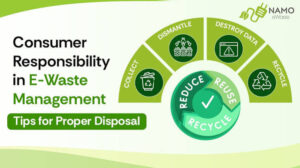
The effectiveness of e-waste management programs depends heavily on us as consumers. The following actions can be taken by individuals to help create a sustainable future:
Reduce and Reuse: Before making a purchase, determine whether a new electronic equipment is required. Instead of purchasing new devices, choose to upgrade or repair your current ones.
Recycle Appropriately: To get rid of outdated gadgets, use approved e-waste recycling programs. E-waste should not be thrown in the usual trash since this could contaminate the environment.Support
Sustainable Brands: Purchase gadgets from businesses that have strong recycling initiatives and place a high priority on sustainability. Encouraging more manufacturers to use eco-friendly methods is achieved by supporting these brands.
Teach Others: Encourage friends and relatives to properly discard their gadgets and raise awareness of the significance of managing e-waste.
Concluding
Managing e-waste is essential to building a sustainable future. The amount of e-waste will only grow as technology develops, so it is essential that we all find creative and practical solutions. We can lessen the effects of e-waste and transition to a circular economy by putting an emphasis on resource recovery, environmental protection, and financial gains. The success of e-waste management programs can be greatly impacted by our own activities, guaranteeing a better planet for coming generations.
We can all work together to create a more sustainable future by incorporating sustainable practices into our everyday lives and endorsing laws and technology that encourage responsible e-waste disposal.